Paws, Waves, and Beacons Along the Coast
Today we’re setting out on dog-friendly seaside hikes that visit working lighthouses, weaving tails and tide lines into one joyful journey. Expect practical safety advice, lively history, and seaside stories, plus engaging tips to plan routes, share photos, and connect with a caring coastal community.
Leash Laws and Courteous Trail Habits
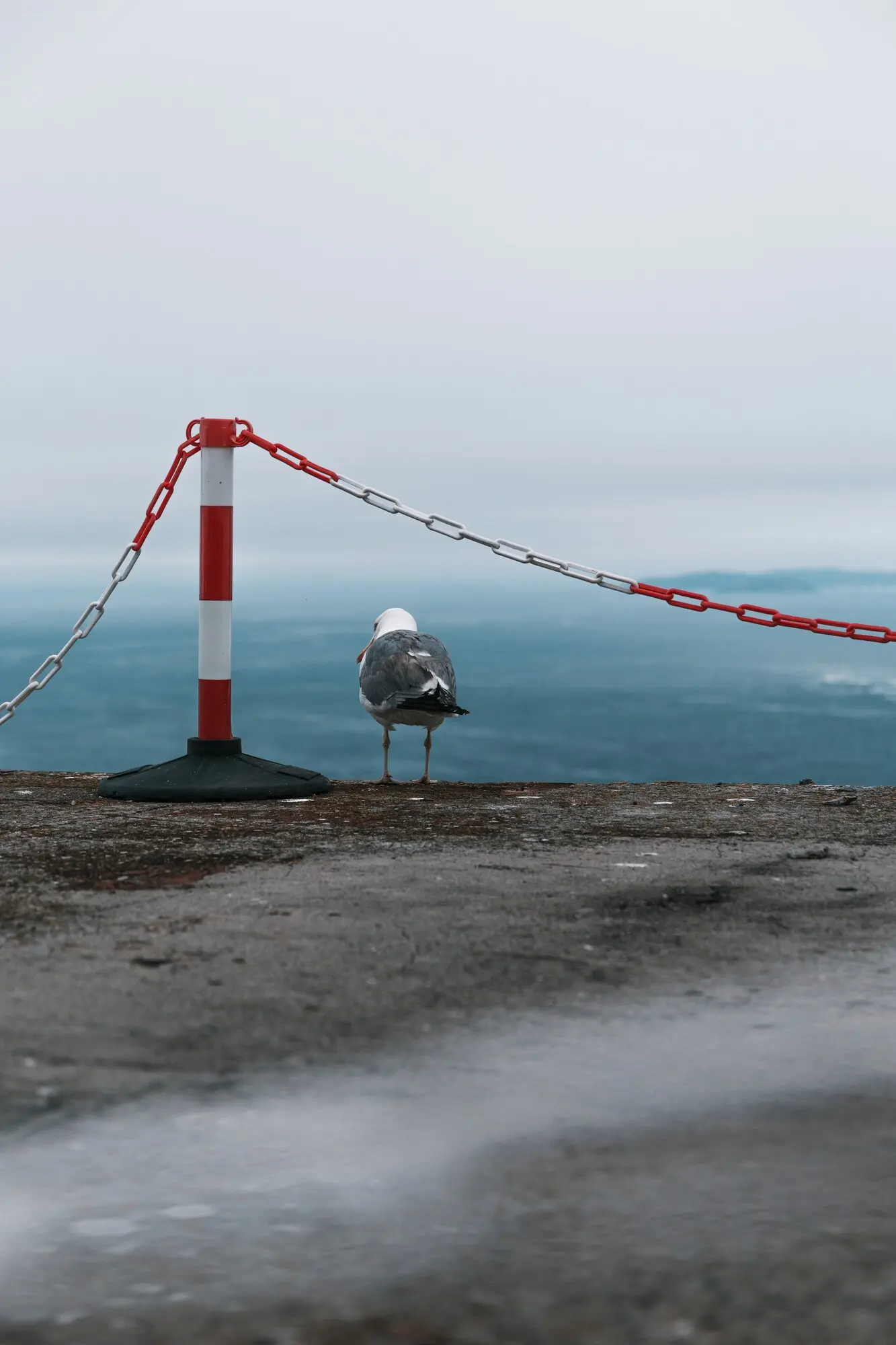
Many coastal paths require six-foot leashes to protect wildlife, keep dogs away from ledges, and reassure families exploring narrow stairs. Yield space on boardwalks, step aside for anglers, and avoid blocking photos. Reward calm behavior near viewpoints, bells, and signals to build reliable, courteous habits.
Reading Tide Tables, Weather, and Swell
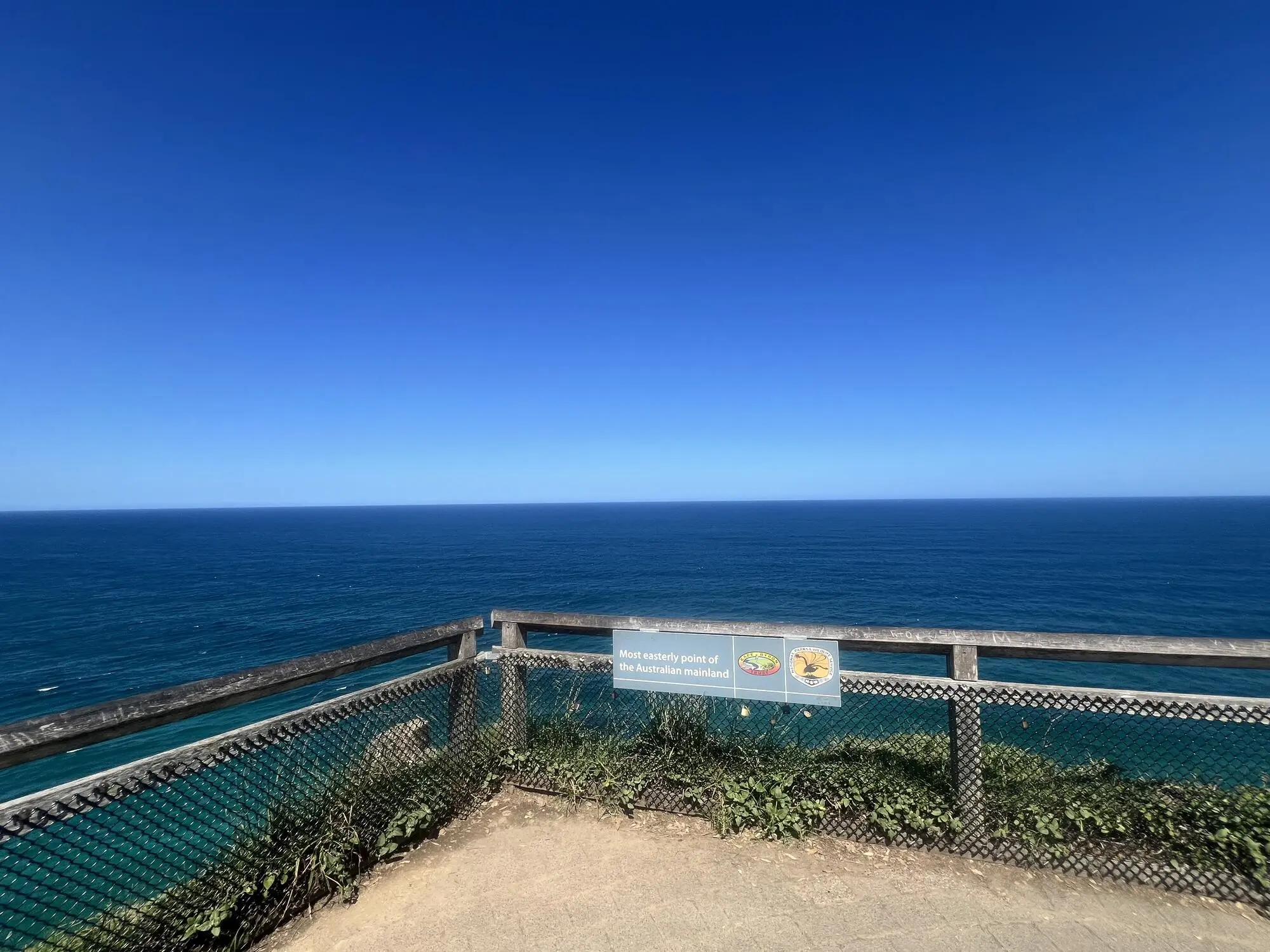
Tide charts help you avoid flooded beaches and reveal firm, walkable sand. Pair them with marine forecasts for wind, swell, and rogue-wave warnings. Pack layers for sudden fog or sun. If thunder threatens, leave immediately; metal railings, exposed points, and towers are unsafe shelters.
Packing for Paws and People
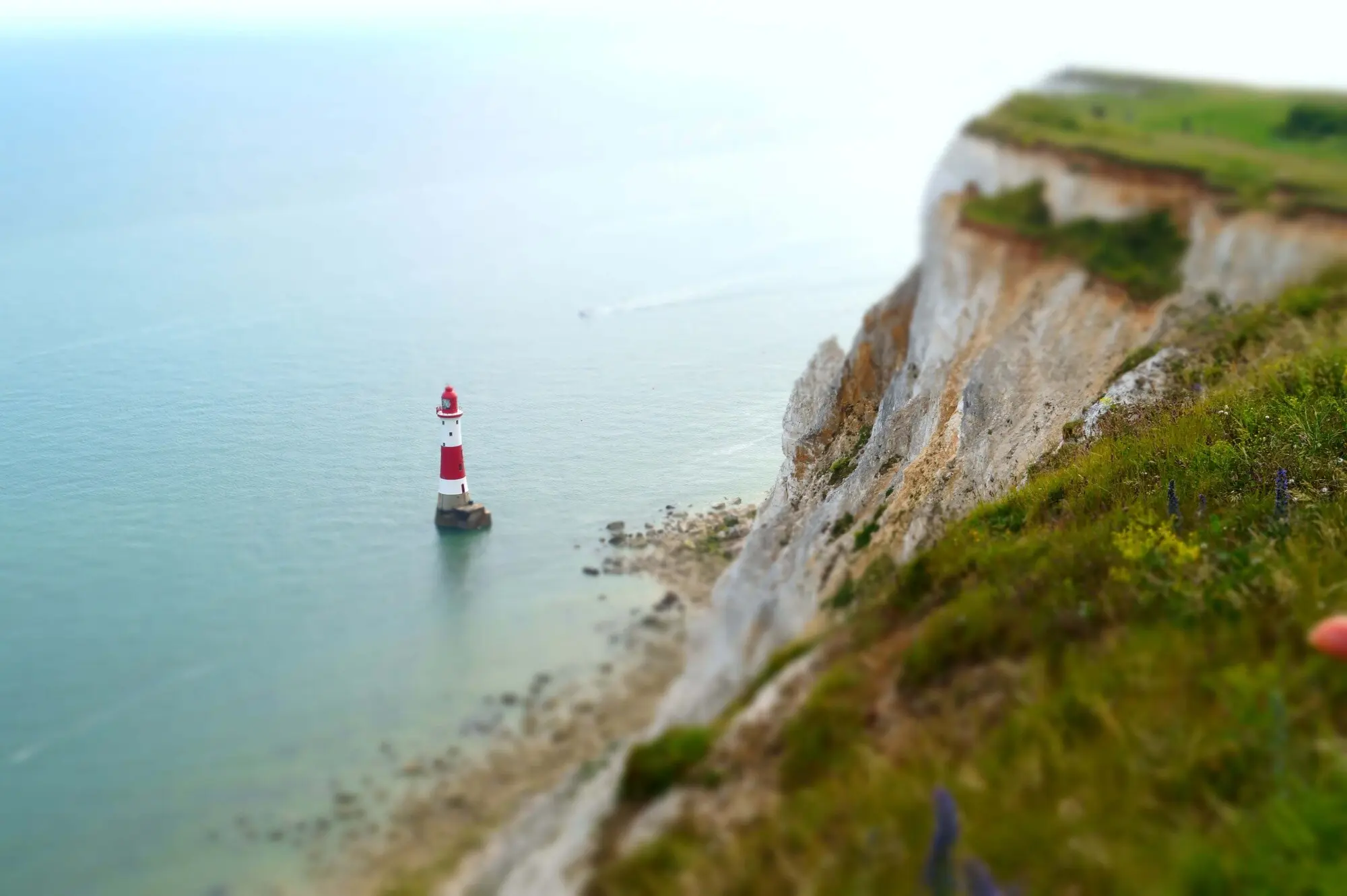
A lightweight kit keeps tails wagging longer. Bring fresh water, collapsible bowl, high-value snacks, blanket, first-aid supplies, tweezers for splinters, and extra poop bags. Dog booties protect pads on barnacled rocks. A bright harness and tag improve visibility among driftwood, kelp, and bustling visitors.
Finding Routes that Pass Active Lights
Selecting seaside routes that pass truly operational lighthouses adds purpose to every step. Cross-check official charts, preservation society pages, and recent trip reports for flashing status, access paths, and restrictions. Confirm dog rules on tower grounds, stair safety, and available viewpoints before committing your day.

Confirming Operations, Hours, and Pet Policies
Working lights may restrict yard access during maintenance or foghorn testing. Phone the caretakers or check notices for quiet hours, viewing platforms, and pet limitations. Some towers prohibit interior entry for animals, yet adjacent overlooks still offer inspiring, safe perspectives for curious, respectful visitors.
Right Distance, Surface, and Elevation for Every Dog
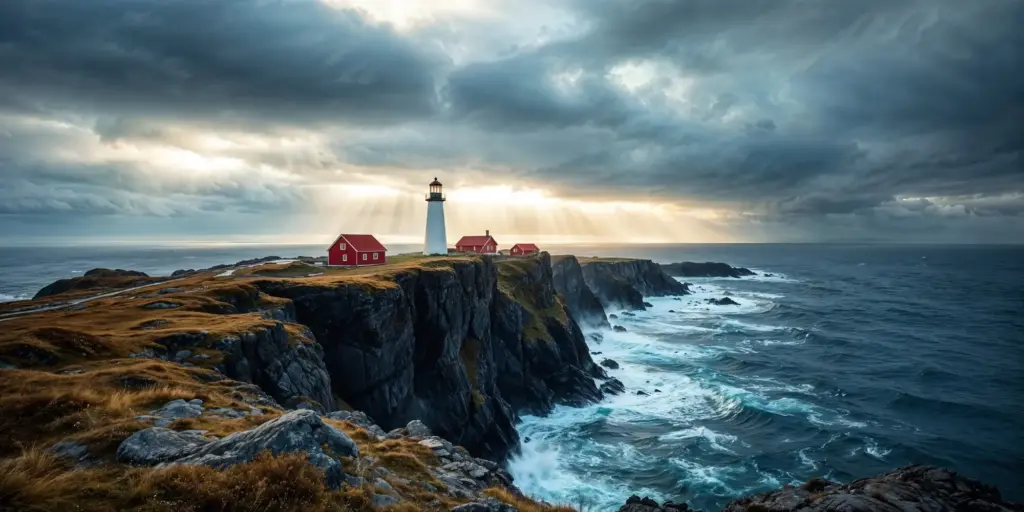
Match the loop to your companion’s age and enthusiasm. Short promontory paths with benches suit mellow seniors, while undulating cliff routes challenge athletic pups. Evaluate surfaces—sand, gravel, boardwalk, or stone—and elevation gain. Plan turnaround points, shade breaks, and calmer coves for restorative sniffing sessions.

Best Times: Golden Hour Glow, Silver Fog, Night Signals
The lighthouse’s glow transforms with time of day and weather. Golden hour warms stone and surf, fog wraps beams in mystery, and night reveals rhythmic signals where permitted. Balance aesthetics with safety: stable footing, reflective gear, and legal visiting hours always come first, even during magic.
Stories the Sea Keeps: Culture Around the Beacon
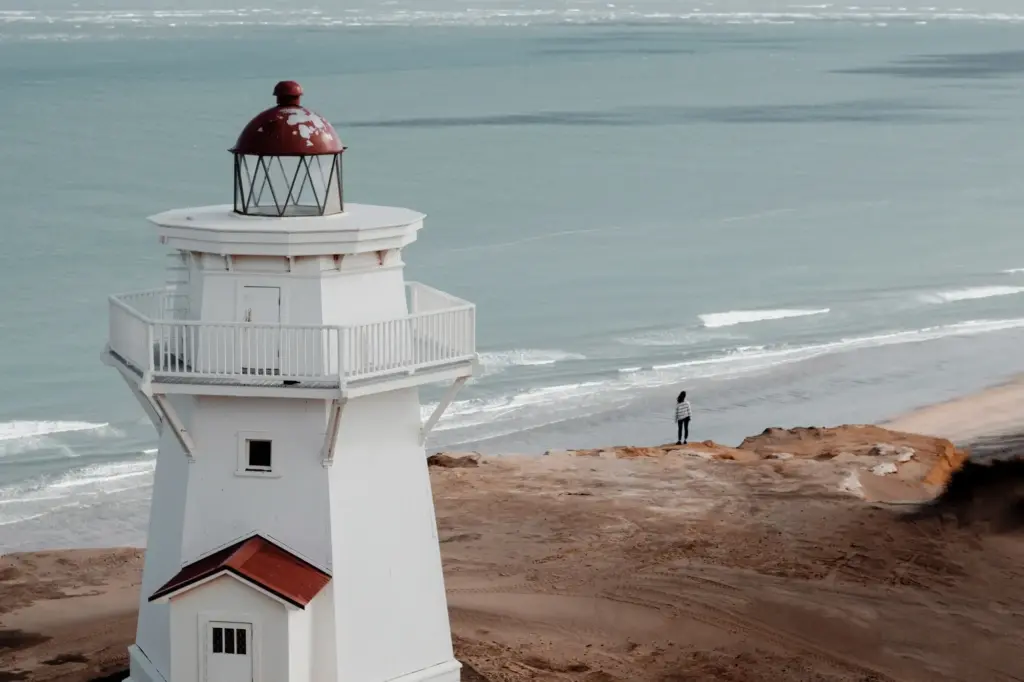
Walking beside a guiding light invites reflection on maritime resilience, lifesaving ingenuity, and communities shaped by storms. Interpretive signs, museum rooms, and local elders often share shipwreck accounts, keeper innovations, and volunteer heroism. Share those stories on-trail, turning rest stops into little outdoor classrooms for everyone.
You do not need technical language to explain how a lantern magnifies its beam. Compare the glass prisms to stacked doggy windows bending light outward, traveling farther for sailors. Children, especially, remember imagery, wagging tails, and simple demonstrations more than diagrams crowded with unfamiliar terminology.
Ask docents or neighbors about challenging winters, daring rescues, and holidays celebrated in keeper cottages. Hearing personal details—favorite recipes, morning routines, stubborn generators—turns stone towers into lived places. Encourage respectful questions from young hikers, then thank storytellers with sincere appreciation and possible small donations.
Confident Canine Behavior on Coastal Trails
Coastal environments brim with distractions: swooping gulls, skittering crabs, loud sirens, clanging buoys, and steep staircases into lantern rooms. Conditioning calm responses before arrival helps everyone relax. Practice cues at home, add waves gradually, reward generously, and keep expectations compassionate during crowded, windy, or echoing situations.
Capture the Journey: Photos, Maps, and Memories
Photographing dogs with lighthouses blends personality and place. Stabilize your camera, mind the horizon, and compose with leading lines guiding eyes toward tower and tail. Pack neutral-density filters for bright surf, brush sand from lenses, and schedule patient breaks so canine models stay cheerful, safe, and engaged.
Compose with Lines: Horizon, Tower, and Leading Paths
Use the lighthouse as an anchor, aligning paths, fences, or foam streaks to lead attention. Shift vantage points to avoid mergers or distracting crowds. Overcast light flatters fur and preserves detail. Silhouettes at dusk can sparkle, provided dogs remain comfortable, leashed, and away from risky edges.
Safety First While Shooting: Anchors, Edges, and Heat
Great shots never justify unsafe choices. Keep bodies well back from cliffs, swells, train tracks, or restricted foundations. Use a stable stance, never backing while peering through a viewfinder. If wind rises or dogs tire, pack up proudly, praising cooperation, and celebrate memories over perfect frames.
Share to Inspire: Captions, Credits, and Community
Share your route maps, parking notes, leash insights, and historical tidbits to help fellow walkers plan happier days. Credit caretakers and volunteers, tag preservation groups, and invite respectful questions. Comments build friendships, encourage donations, and create a welcoming circle where coastal adventures keep inspiring new explorations.
Leave No Trace with Salty Paws and Sandy Boots
Bring multiple bags, pick up promptly, and dispose in proper bins or carry out when services are limited. Keep paws on wet sand near waves rather than fragile dunes. Resist chasing wildlife, respect quiet zones, and brush boots to prevent seeds hitchhiking into sensitive bluff-top meadows.
Volunteer Energy: Preservation, Cleanups, and Donations
Many lights rely on nonprofits for maintenance, archives, and tours. Ask how to help: memberships, small gifts, or lending skills in carpentry, gardening, or writing. Dogs can accompany you to donation jars or outdoor workdays, greeting visitors and spreading goodwill that keeps these guiding beacons shining.