Chasing Light Along Britain’s Lighthouse Headlands
Stride out where wind, salt, and history meet. This guide explores a photographer’s journey to the best lighthouse headland walks in Britain, blending route notes, tidal smarts, safety tips, and creative methods for capturing beams, cliffs, and ceaseless Atlantic weather. Expect practical map advice, seasonal light strategies, and heartfelt stories from paths where foghorns once ruled the night, inviting you to travel lighter, see deeper, and return with images that breathe.
Plan the Edge: Maps, Tides, and Safe Footing
Headlands reward foresight. Before lacing boots, learn Britain’s coastal access rules, read OS Explorer contours, and pair sunrise times with tide tables to avoid cut‑offs and slippery descents. A few thoughtful checks protect you, your companions, and your gear, turning a risky scramble into a confident, photographically rich wander.
Light Choreography Around the Lantern
From blue twilight to storm‑lit noon, the coast performs for patient eyes. Anticipate sun azimuths, beam rotations, and cloud ceilings to time silhouettes, rim‑lit spray, and long‑exposure ribbons. With thoughtful timing, the lighthouse becomes partner, not prop, guiding compositions that feel inevitable and alive.
Golden Hour: Angles, Shadows, and Warm Air
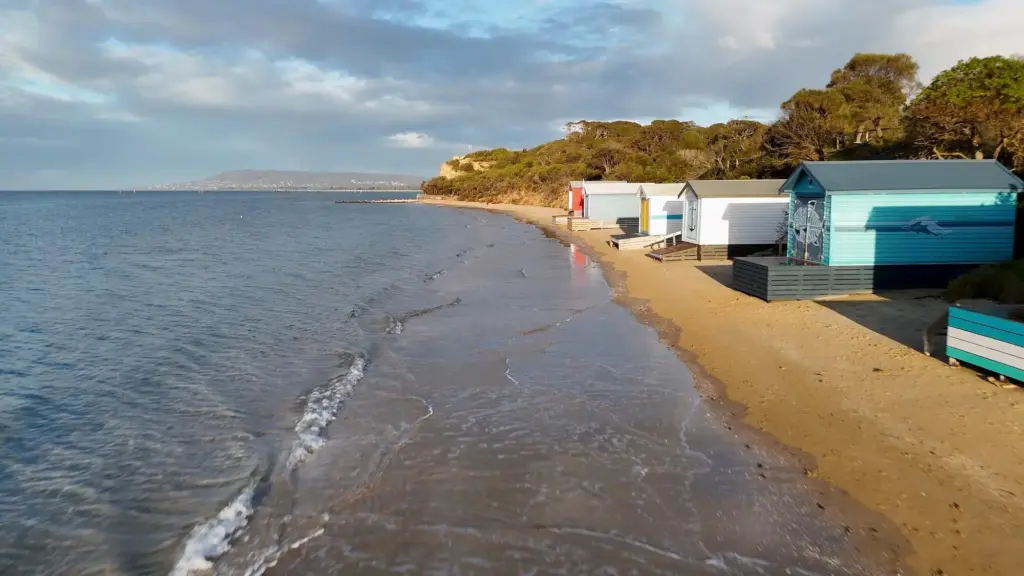
Use an ephemeris to predict the sun’s path skimming sea horizons, then place the tower between glowing sky and textured cliffs. Oblique light carves rock strata, reveals surf texture, and flatters painted masonry, giving your frames depth, atmosphere, and a believable sense of salty distance.
Blue Hour and Beacon Rhythm
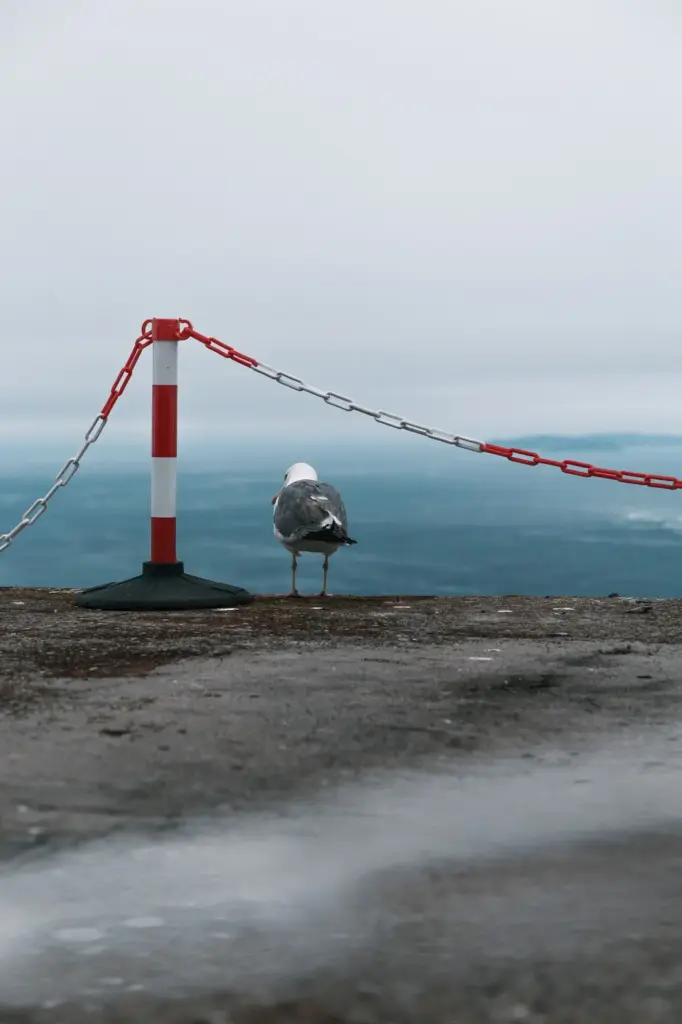
As the sky deepens, meter carefully to hold cyan gradients while catching the lantern’s pulse. Time exposures between sweeps or embrace light trails showing the mechanism’s cadence. Balance ambient glow, tower windows, and wet reflections for images humming with quiet engineering poetry and nocturnal stillness.
Stormlight, Rainbows, and Safety Margins
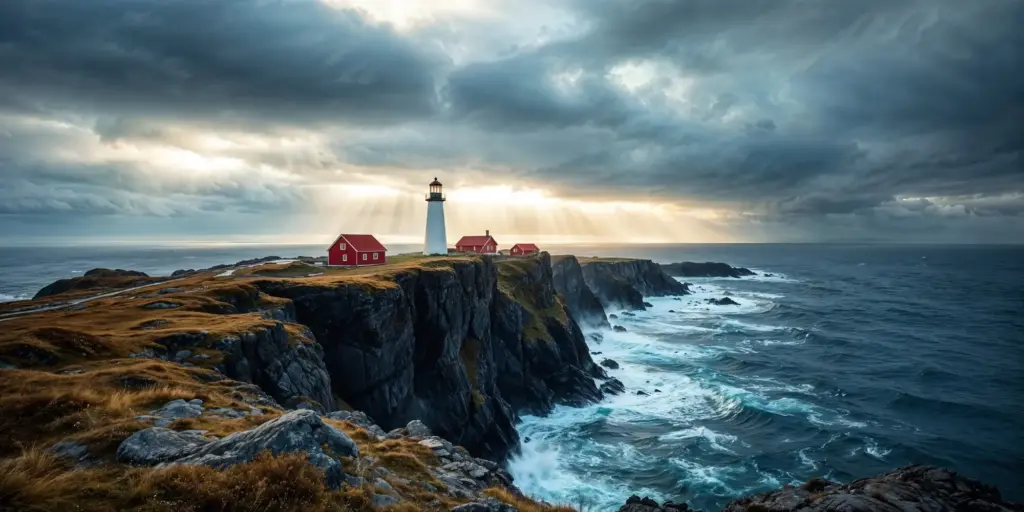
Fast‑moving squalls can turn slates of grey into curtains of silver, then split to reveal saturated rainbows behind stoic towers. Work leeward cliffs, anchor tripods low, and retreat early when thunder approaches. No photograph outshines cautious judgment, layered clothing, and a clear escape plan.
Lenses and Perspectives
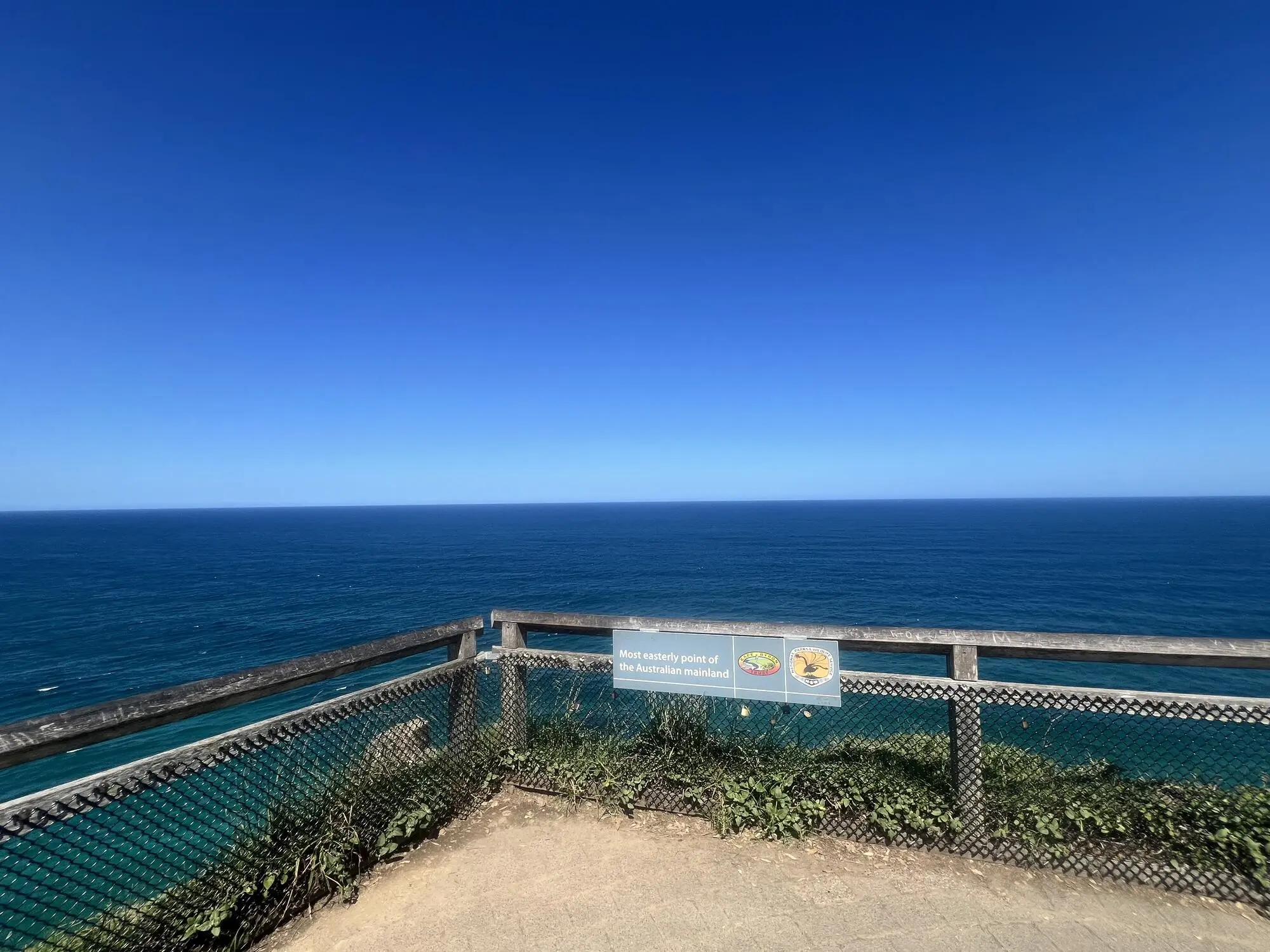
Carry a sharp wide‑angle for foreground drama, a fast standard for twilight flexibility, and a compact telephoto for compressing waves against painted masonry. Step carefully and vary heights; low viewpoints amplify surf energy, while higher perches simplify geometry and reveal pathways, fences, and human scale.
Filters, Tripods, and Exposure Control
A sturdy tripod with spiked feet calms wind wobble on turf. Graduated neutral density filters balance luminous skies, while solid NDs stretch foam into velvet threads. Polarizers tame glare but can blotch wide skies; rotate gently, watch edges, and bracket exposures for seamless blends later.
Protection, Cleaning, and Fieldcraft
Salt creeps into buttons and gaskets. Use rain covers, microfiber cloths, and fresh‑water rinses, then dry gear with circulating air, not heaters. Pack neoprene for lens changes, silica gel for bags, and a small brush to banish windblown grit from filter threads and focusing rings.
South and West Paths That Deliver
Portland Bill, Dorset
Follow the loop past Pulpit Rock where swell fractures into luminous veils beside the red‑banded tower. Low tide exposes textured ledges for leading lines; high winds explode spray into backlit crystals. Park early, respect rogue waves, and let gull cries pace your shutter rhythm.
Start Point, Devon
A ridge path funnels you along heather and gorse toward the gleaming lantern above tide‑ripped reefs. Morning sun ignites east‑facing walls; evening silhouettes tower and keeper’s cottages against copper skies. Bring layers, a headtorch, and patience for fog’s theatrical, slow‑motion entrances.
South Stack, Anglesey
Cross the steps and bridge only when conditions allow, then climb for commanding views over cliffs raked by shearwaters. Long lenses compress sea stacks and whitewash; wides embrace switchbacks and railings. Respect seasonal closures protecting choughs, and watch sunsets flare behind the Isle of Ireland’s silhouette.
North and East Headlands Worth Returning To
Chalk, sandstone, and basalt frame towers across Britain’s top and right shoulders, offering seabird cathedrals, fishing heritage, and brooding weather marching from the North Sea. These three walks reward repeat visits, each season writing new light across cliffs, grass, and worn, iron‑bolted architecture.
Color, Contrast, and Believability
Push blues and teals gently, letting sea foam remain luminous without turning fluorescent. Maintain a neutral white on tower masonry while preserving rust, lichen, and weather‑beaten character. Subtle local dodging builds presence, keeping mood cinematic yet honest to the hour, wind, and remembered chill.
Dehaze, Fog, and Latent Drama
Coastal haze carries poetry. Use dehaze sparingly, combine with clarity on midtones, and protect distant cliffs from crunchy halos. When fog rolls through a beam, lift exposure selectively, cool highlights slightly, and welcome gradients that suggest breath, mystery, and a watchful, living sea.